


We are one of the leading manufacturers of all kind of oil-type distribution transformers
Rated Power: up to 10 MVA
Operating voltage: up to 36 kV
Based on our long-standing experience of over 100 years in the business, we can design transformers that are customised to your requirements. Our transformers are used in different applications, including in distribution networks, in waterworks and for industry and transport applications. All our oil-type transformers are produced in line with the most stringent quality standards.
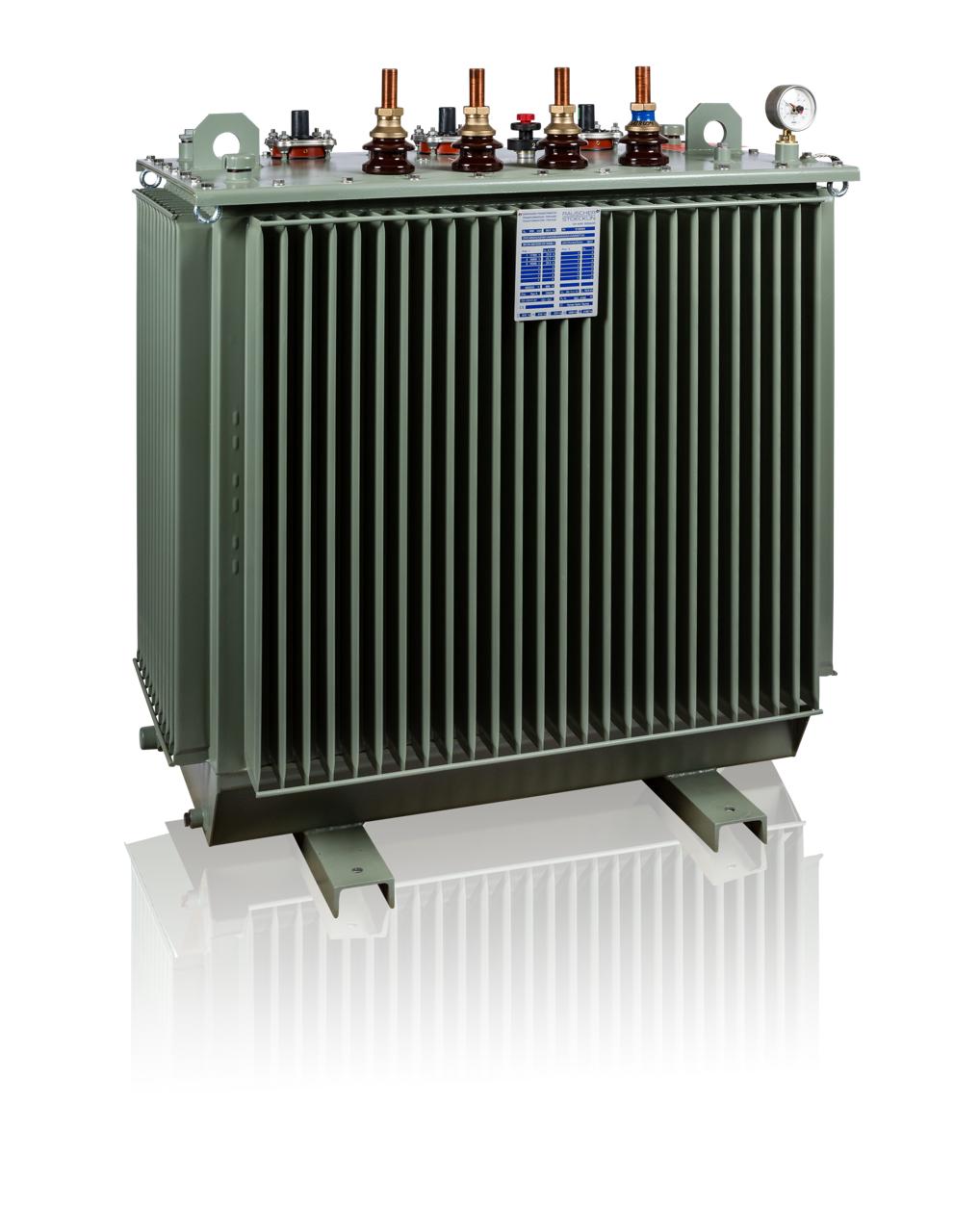
Rauscher & Stoecklin Standard Oil transformers made in Poland.
Rated Power: up to 3.150 kVA
Operating voltage: up to 24kV
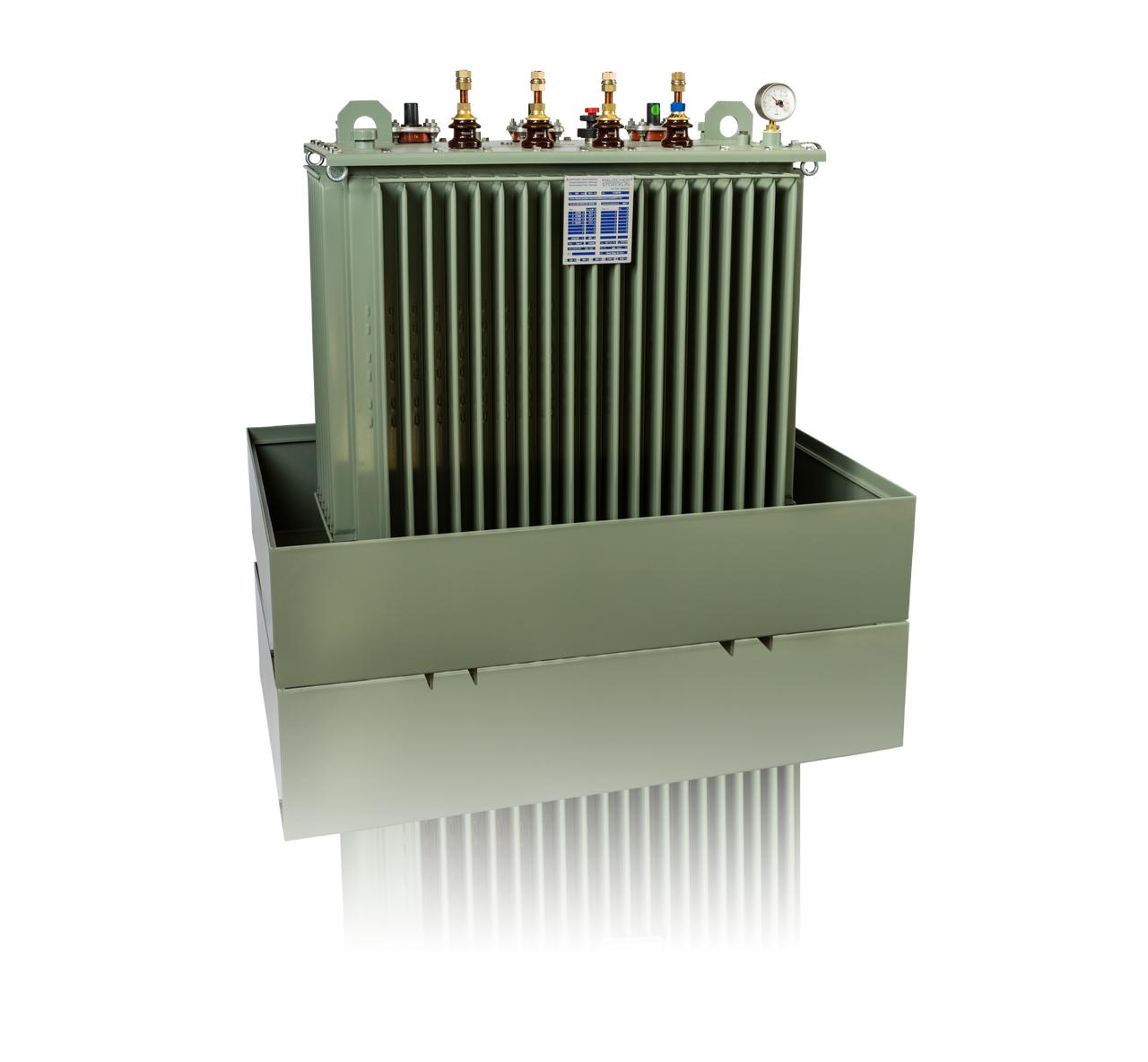
Rauscher & Stoecklin Oil distribution and special transformers made in Switzerland.
Rated Power: up to 2 500 kVA
Operating voltage: up to 36kV
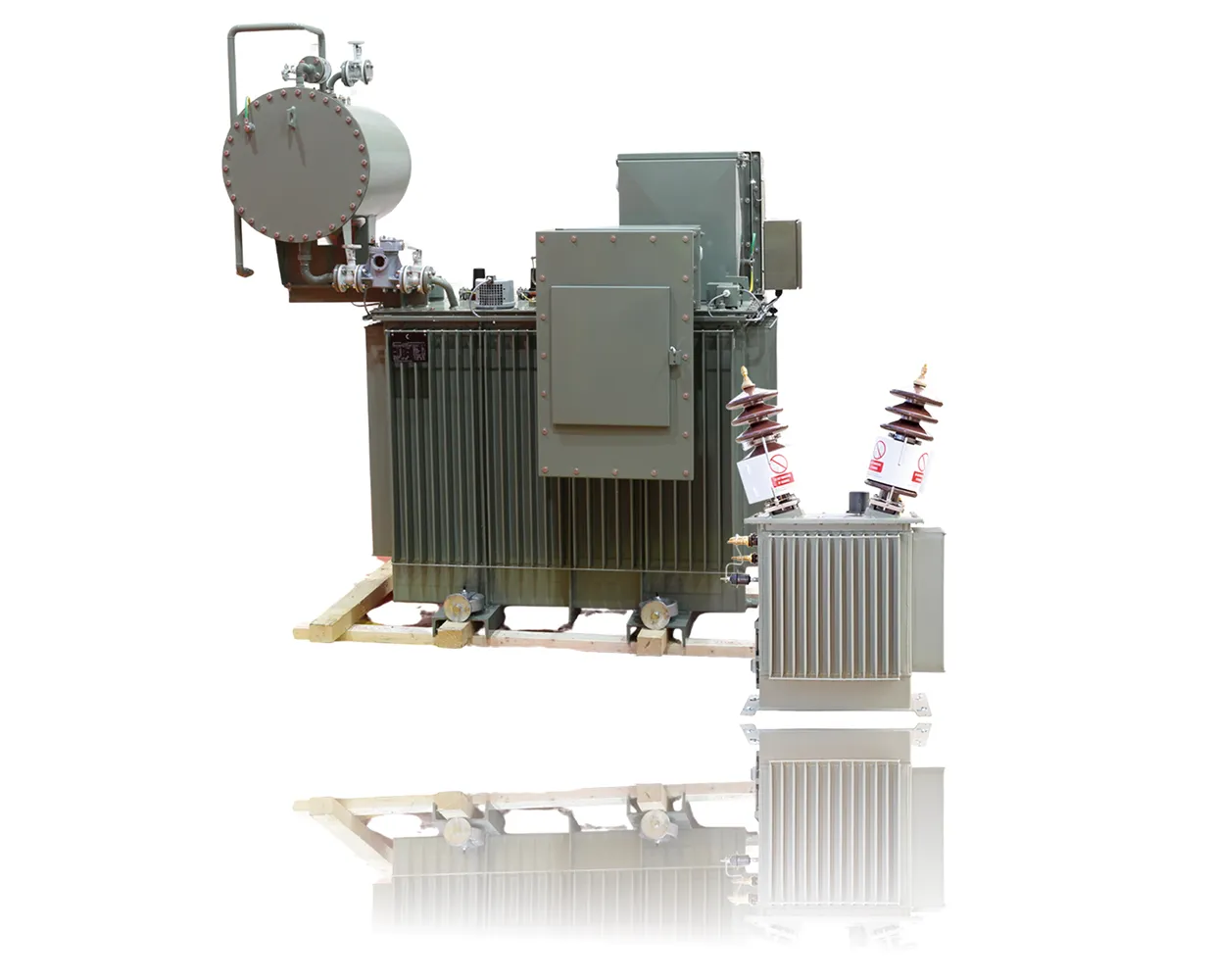
KYTE Oil distribution and special transformers made in Ireland.
Rated Power: 50 kVA up to 10 MVA
Operating voltage: up to 36 kV
Benefits that speak for themselves

Cut your operating costs
Our transformers’ advanced design ensures low energy losses in accordance with EU 548/2014 and low maintenance requirements. Consequently, they allow you to save on operating costs.

Reduce your environmental impact
Our transformers with amorphous cores improve electrical characteristics and contribute to reducing CO2 emissions. This allows you to reduce the impact on the global environment.

Make your performance better
Best materials, highly experienced employees, best quality and standardized routine testing all come together to give you high reliablity and efficiency.

Save space and costs
Our transformers are available in the smallest dimensions and lowest weights possible. For you, this translates into minimal costs and easy handling.

Increase your investment
Since we use the best materials and work to high manufacturing standards, we offer you a minimum guaranteed service life of ten years for our distribution transformers.
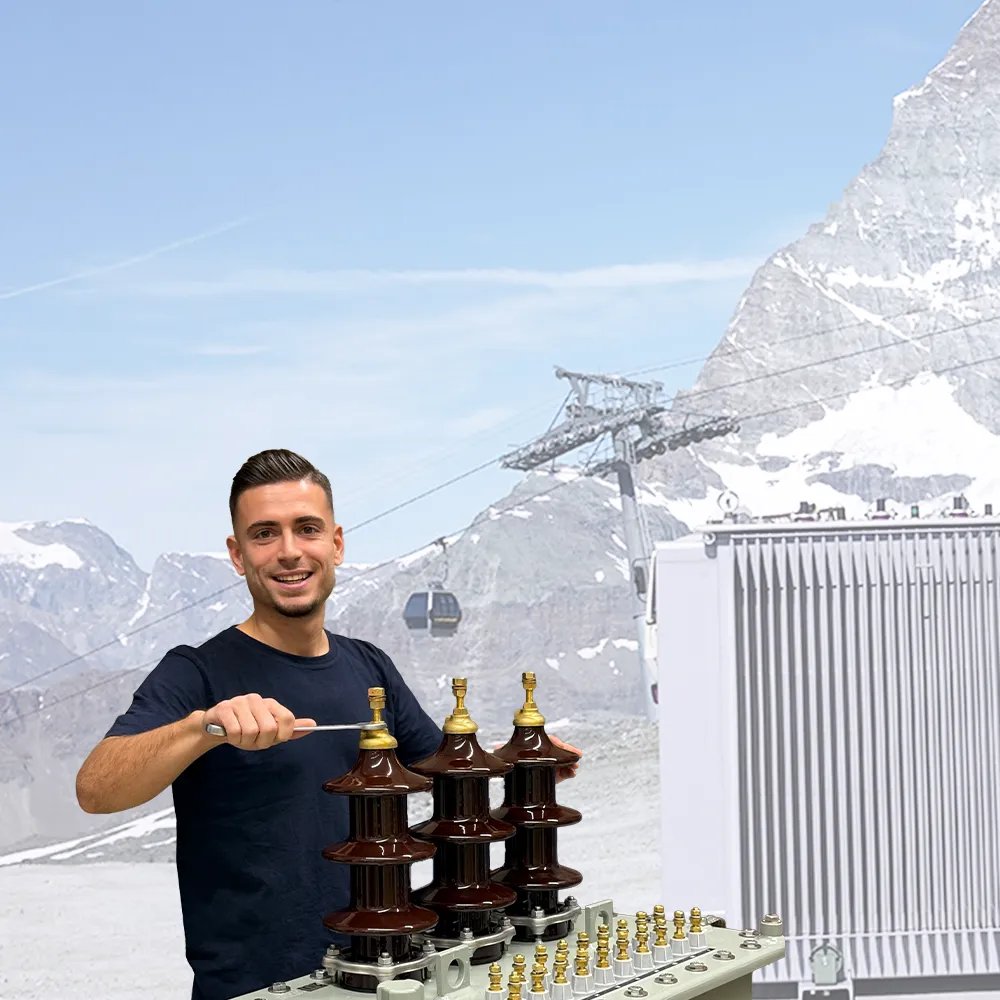
Our products reach great heights
„As an employee in the test field, I carry a high level of responsibility – I help ensure that we deliver on our promise ‘We guarantee Energy’.
What I really value is that at Rauscher & Stoecklin we work as a team and share this responsibility.“
Mursel Salja, Test Field Employee, Rauscher & Stoecklin AG
Want to get technical?
Take a look at our brochure or contact a member of our team today.


We tailor our solutions to you
Our open-vented design is characterised by a low oil volume and extremely compact dimensions. Our transformers featuring hermetically sealed tanks prevent the cooling liquid from coming into direct contact with the air. The design needs a higher oil volume and, consequently, the dimensions and weight increase accordingly.
If our standard solutions do not meet your requirements, we also produce customised solutions. To make sure the solution we create for you is perfect, you are involved in every step of the development process. A wide range of accessories round off our range perfectly.
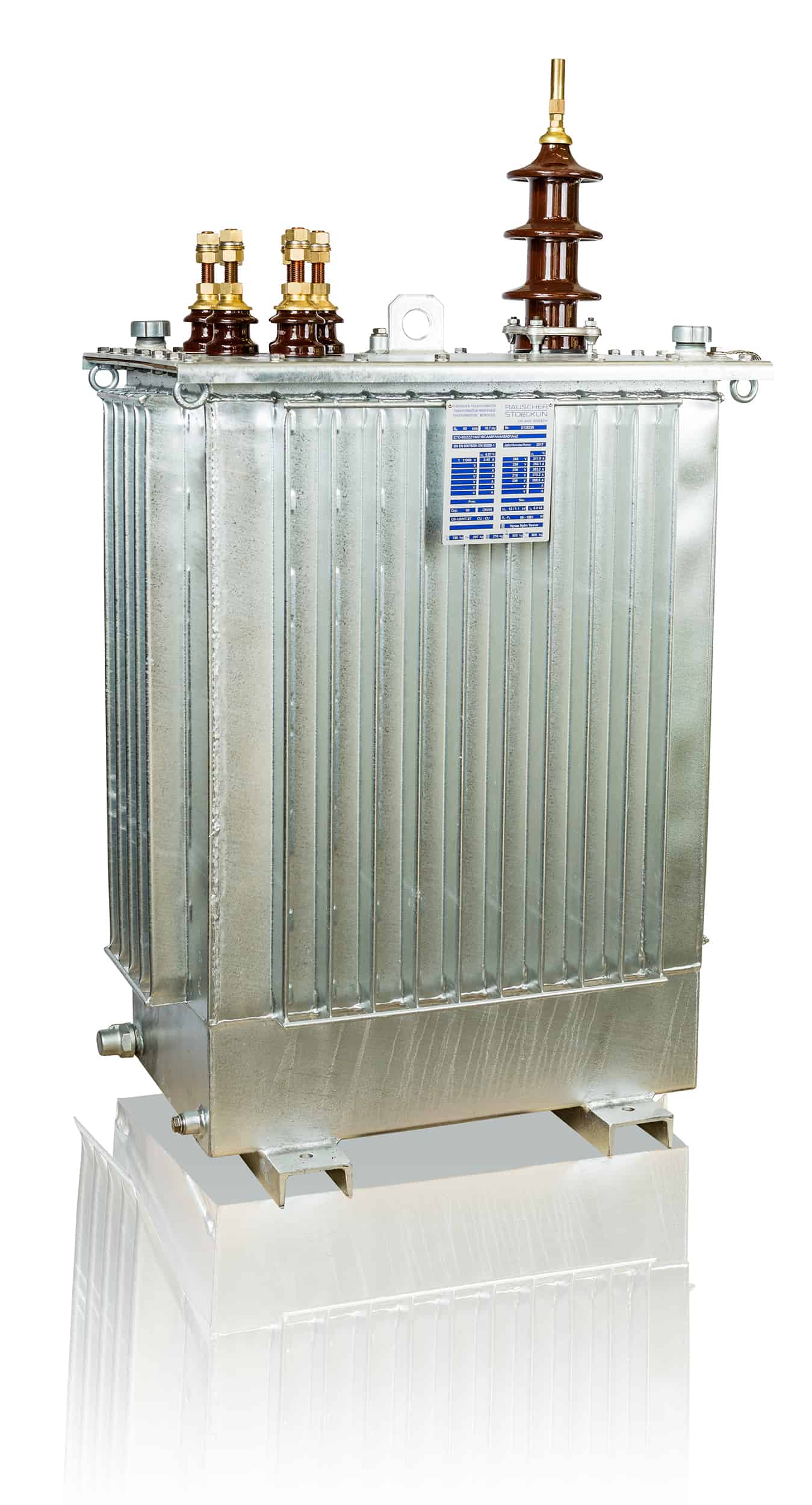
Special application transformers
– Railway transformer
– Amorphous core transformer
– Low-radiation transformer
– Audio frequency transformer
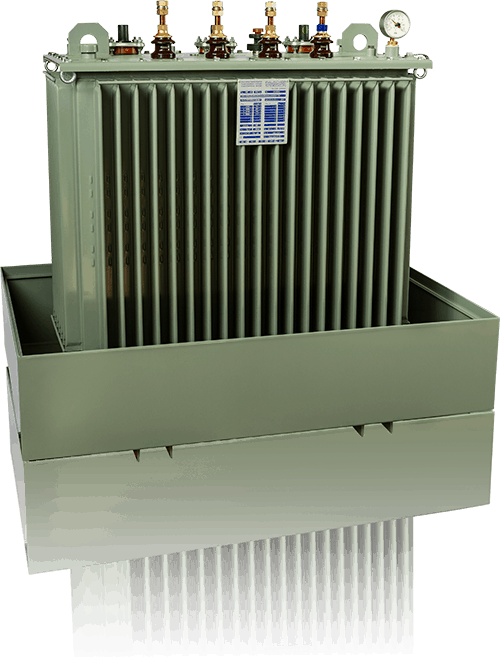
Integrated oil retention vat
– High-quality, cold-rolled metal plates
– Special method for low no-load losses and low noise generation
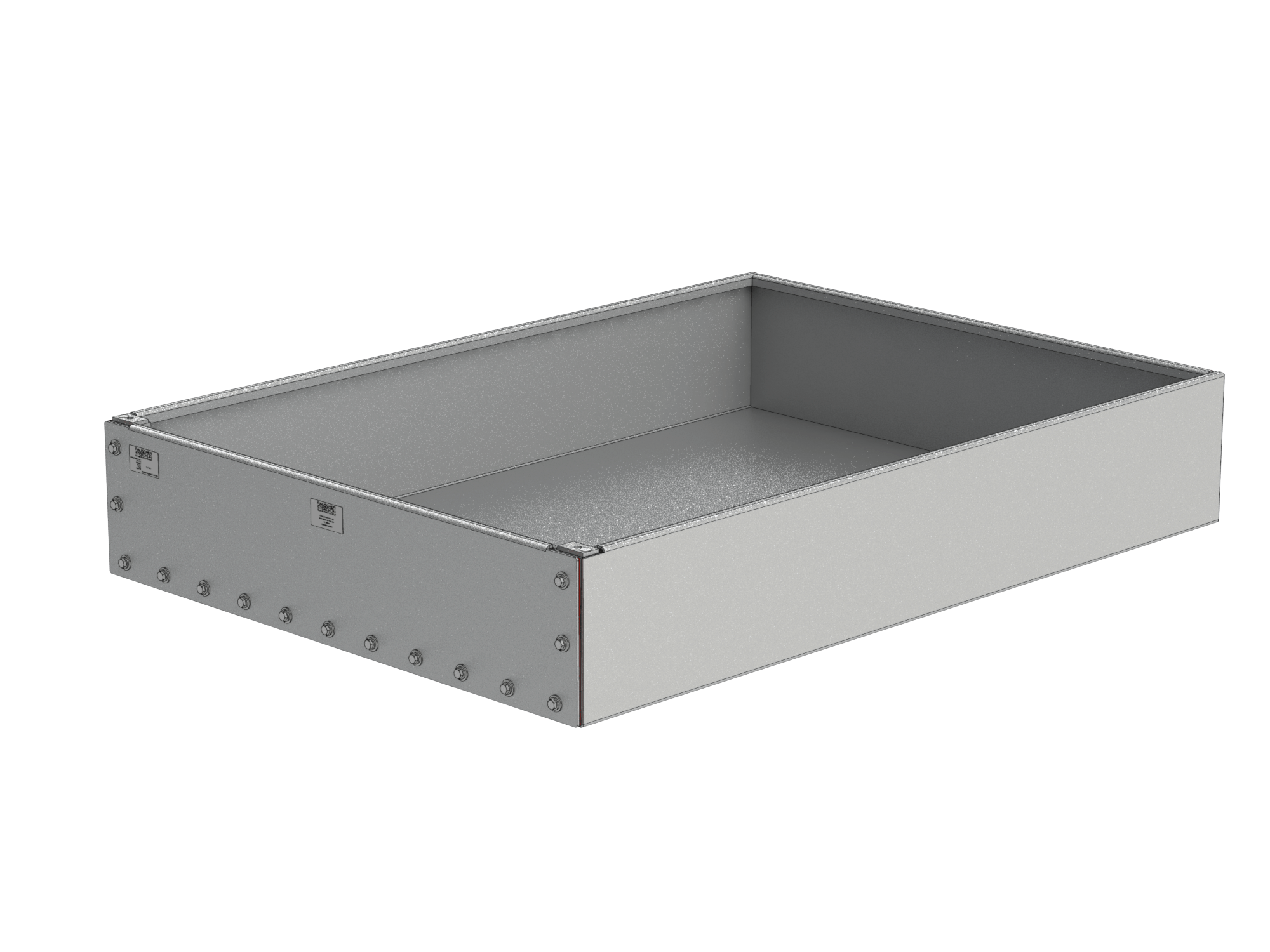
Stand-alone oil retention vat
– Made of lightweight aluminium
– Narrow doors are no longer a problem
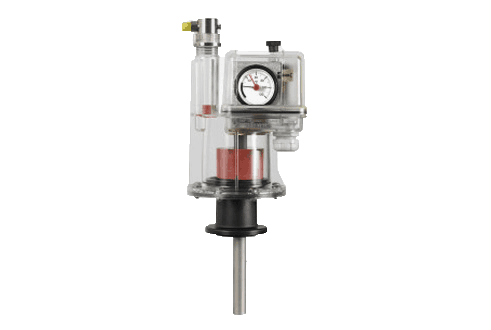
Monitoring devices
– Used to control the pressure, temperature and level of the dielectric liquid inside the transformer tank
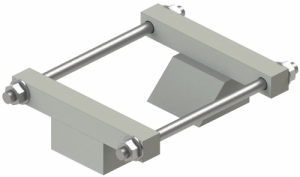
Wheel locks
– Protection against rolling away
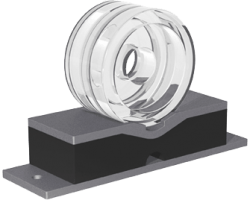
Vibrastop
– For transformers weighing up to 12,000 kg
– Reduced transformer vibration and noise generation levels
– Smart and compact solution
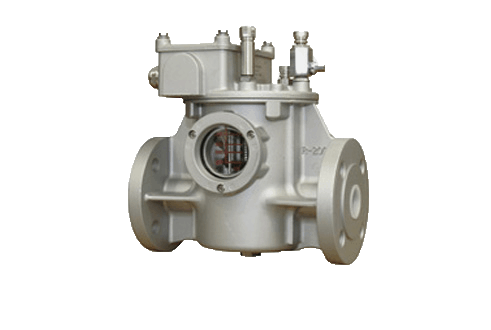
Buchholz relay
– Detects whether gas is present inside the tank
– Emits an alarm and triggers signals
– Automatically stops the current if a severe problem is detected
Additional accessories
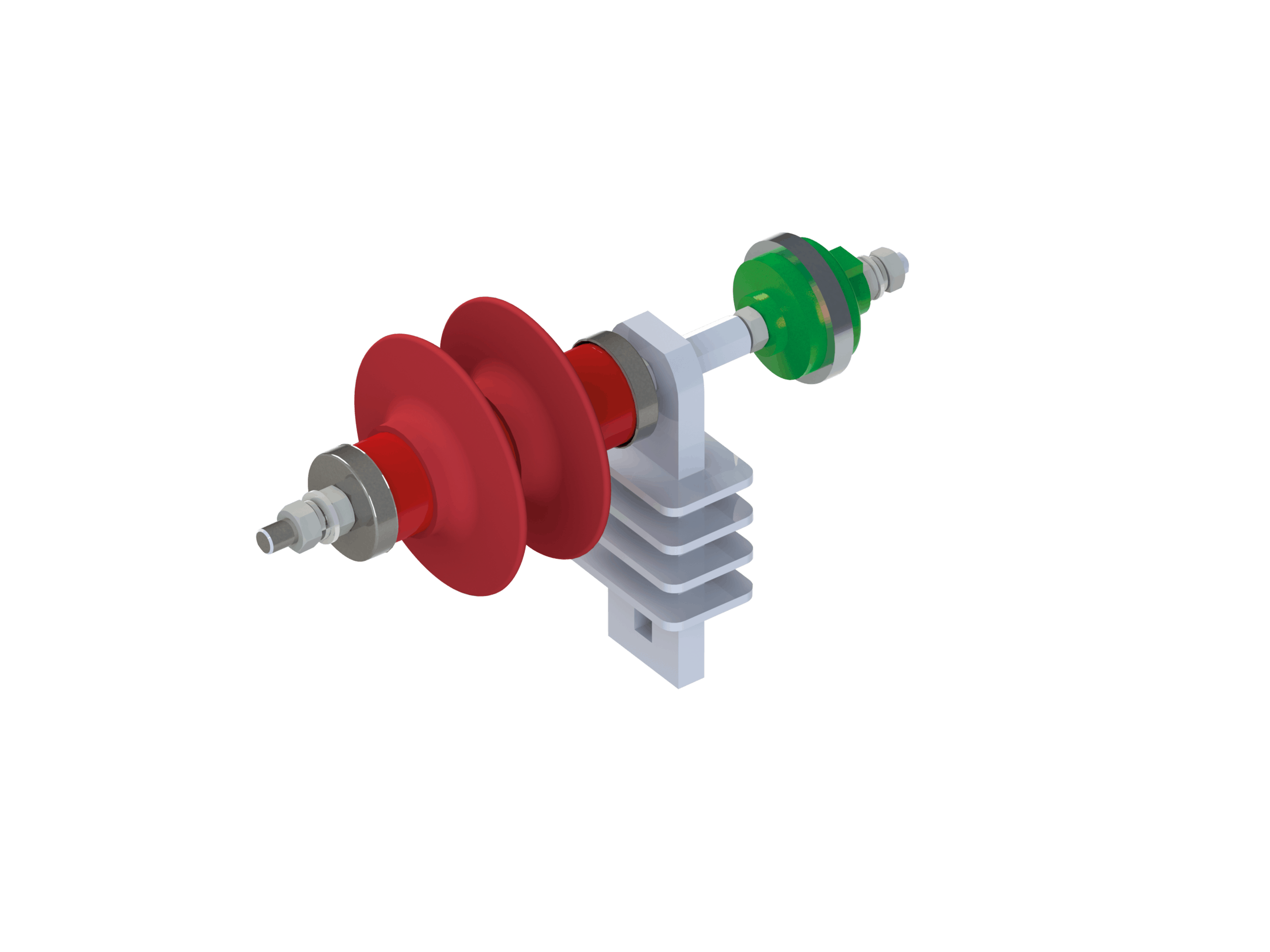
– MV surge arrester, on-load tap changer, air breather, pressure relief device, plug-in bushings, HV / LV cable boxes, connecting plates and more besides
Frequently asked questions
Oil distribution transformers
What is a distribution transformer?
A distribution transformer converts medium voltage to low or consumer voltage and is therefore the last link in power distribution before the end customer. Within the R&S Group, distribution transformers are manufactured by Rauscher & Stoecklin (oil-cooled) and Kyte Powertech (oil- or biofluid-cooled).
What power range do R&S Group distribution transformers cover?
Depending on the brand, R&S Group distribution transformers cover a range from 50 kVA to 10 MVA: Rauscher & Stoecklin supplies 100 kVA to 2,500 kVA at up to 36 kV from Sissach and up to 3,150 kVA at up to 33 kV from Krzeczów; Kyte Powertech supplies up to 10 MVA depending on the design.
What is the difference between distribution transformers and power transformers?
Distribution transformers supply end consumers directly in the medium-voltage network (typically up to around 10 MVA), whereas power transformers are designed for higher voltage levels in transmission grids, power plants and large-scale industry, such as those ZREW manufactures with up to 160 MVA and 220 kV.
Are R&S Group distribution transformers suitable for outdoor use?
Yes. Distribution transformers from Rauscher & Stoecklin and Kyte Powertech are designed for both indoor and outdoor installation, including corresponding bushings to EN 50180/EN 50386 or, at Kyte Powertech, to ANSI/NEMA/IEEE standards.
Which cooling methods are used for distribution transformers?
R&S Group distribution transformers are manufactured with ONAN (oil natural air natural) or ONAF (oil natural air forced) cooling. With ONAN, the insulating oil circulates by natural convection and heat is passively released to the ambient air; ONAF adds fans that allow a higher continuous rating with the same size.
Can distribution transformers be ordered with environmentally friendly insulating fluid?
Yes. Kyte Powertech, Rauscher & Stoecklin (Sissach) and ZREW offer alternative, biodegradable insulating fluids (ester fluids) as an option to conventional mineral oil.
Do R&S Group distribution transformers meet the EU Ecodesign requirements?
Yes. Rauscher & Stoecklin distribution transformers meet the loss values of the EU Ecodesign Regulation (EU) No 548/2014 in classes A0-10%/Ak or below.
What do the designations ECO++, K-Line, R-Line, E-Line and A-Line mean?
These are the five Rauscher & Stoecklin product lines for free-breathing distribution transformers: ECO++ as the entry-level line, K-Line with aluminium winding for economical operation, R-Line for optimum dimensions, E-Line for the lowest losses and A-Line with an amorphous core for particularly low no-load losses.
Can distribution transformers be equipped with a tap changer?
Yes. R&S Group distribution transformers are available with off-circuit tap changers as well as – for larger designs and on request – on-load tap changers.
Do R&S Group distribution transformers offer protection against lightning strikes?
Yes. If required, distribution transformers are fitted with arcing horns, surge arresters or – at Kyte Powertech – a special steepwave design for areas with frequent lightning.
How are R&S Group distribution transformers tested?
Distribution transformers undergo standardised routine testing to SN EN 60076, including measurement of winding resistances, turns ratio, no-load and short-circuit losses as well as voltage tests; additional type and special tests are available on request.
Do the R&S Group brands also offer customised special designs of distribution transformers?
Yes. Both Rauscher & Stoecklin and Kyte Powertech manufacture customised special solutions – for example for special dimensions, high installation altitudes, earthquake resistance, special insulating fluids or additional monitoring equipment.
Special application transformers
What are special application transformers?
Special application transformers are distribution transformers developed for non-standard electrical or mechanical requirements when standard solutions cannot fully meet the requirements of an application.
Which types of special transformers does the R&S Group offer?
These include industrial transformers for networks with high transient interference voltages, dry-type transformers, audio frequency transformers and railway transformers, plus – at Kyte Powertech – dual-voltage transformers, autotransformers, rectifier, converter, generator and earthing transformers.
When is an industrial transformer needed instead of a standard transformer?
An industrial transformer is recommended when high transient interference voltages occur in the network, for example due to power converters or frequency-controlled drives. Otherwise these disturbances accelerate the ageing of the paper insulation; an industrial transformer therefore has reinforced layer insulation and an earthed shield between the windings.
What is a package substation?
A package substation is a prefabricated, compact transformer station that combines transformer and switchgear in one transportable unit – part of Kyte Powertech's special transformer portfolio.
Can R&S Group special transformers be installed in a protective enclosure?
Yes. Tesar cast resin transformers in particular can be installed in metal enclosures on request – as standard with degrees of protection IP31 and IP23, and up to IP54 on request.
Does the R&S Group also offer transformers with forced cooling?
Yes. Kyte Powertech offers special transformers with forced cooling by fans and/or heat exchangers; Tesar cast resin transformers, which are also available through Rauscher & Stoecklin, can be retrofitted with fans for a permanent overload of up to 40%.
What is an autotransformer?
An autotransformer connects the primary and secondary windings electrically instead of fully isolating them galvanically, which allows it to be built more compactly and efficiently than a conventional transformer with a similar turns ratio. Kyte Powertech and ZREW offer autotransformers as part of their special transformers.
Are special transformers built to order, or are they available from stock?
At Kyte Powertech, special transformers are always built to order to individual specifications; the power range is determined entirely by the respective customer request.
Railway transformer
What is a railway transformer?
A railway transformer supplies railway power grids with the voltage and frequency needed to operate overhead lines. Rauscher & Stoecklin manufactures single-phase overhead line transformers specifically for this purpose.
Which railway power grids are Rauscher & Stoecklin railway transformers suitable for?
Rauscher & Stoecklin single-phase overhead line transformers are designed for railway grids with 15 kV/16⅔ Hz or 25 kV/50 Hz, with ratings up to 1,000 kVA.
Does Tesar also offer transformers for railway applications?
Yes. Tesar offers special designs of cast resin transformers for railway applications, among others, complementing Rauscher & Stoecklin's overhead line transformers. In addition, the R&S Group supplies double-stack transformers in both designs for feeding power into railway, metro and local transport networks; find out more on the dry-type transformers page.
Why are cast resin transformers often chosen over oil-immersed transformers for railway applications?
In sensitive areas such as tunnels or vehicles, cast resin transformers are often preferred for fire safety reasons, as they have a lower fire risk and lower toxic gas emissions in the event of fire than oil-filled transformers.
What is an audio frequency transformer and is it related to railways?
An audio frequency transformer is used to feed ripple control signals into the distribution network in parallel and is technically independent of the railway transformer – but both are examples of specialised distribution transformers with a clearly defined purpose.
Can railway transformers be built for special frequencies?
Rauscher & Stoecklin builds its railway transformers for 16⅔ Hz or 50 Hz as standard; other frequency requirements are assessed on request.
Which standards apply to R&S Group railway transformers?
Railway transformers undergo the same standardised routine testing to SN EN 60076 as other Rauscher & Stoecklin distribution transformers; additional customer-specific tests are agreed for specific railway requirements.
Are R&S Group railway transformers low-maintenance?
Free-breathing railway transformers offer simple maintenance with the smallest possible dimensions and weights; alternatively, hermetically sealed versions with reduced maintenance with regard to oil quality are also available.
Amorphous core transformer
What is an amorphous core transformer?
An amorphous core transformer uses a core made of a wound ribbon of amorphous (non-crystalline) steel instead of stacked laminations with a crystalline structure. This makes the core easier to magnetise, which significantly reduces hysteresis losses and thus no-load losses.
What power range do amorphous core transformers in the R&S Group cover?
Rauscher & Stoecklin offers amorphous core transformers in the 400–1,000 kVA range and Kyte Powertech in the 50–3,150 kVA range – other sizes are available on request from both.
Why is an amorphous core transformer worthwhile despite higher purchase costs?
Amorphous core transformers have significantly lower no-load losses than conventional transformers, so the higher purchase costs can pay for themselves over the service life through lower energy costs – especially where loss costs are highly capitalised or the load is low.
Are amorphous core transformers more environmentally friendly than conventional transformers?
Yes. According to Kyte Powertech, amorphous core transformers reduce CO₂ emissions thanks to their very low losses, and the core material is recyclable; they are also optionally available with environmentally friendly biofluid insulation.
Which applications are amorphous core transformers particularly suitable for?
Amorphous core transformers are particularly suitable where low continuous losses have a strong economic impact, for example for grid operators with high capitalisation of no-load losses, in sustainability projects and at low utilisation.
Do amorphous core transformers look different from standard transformers?
At Rauscher & Stoecklin, the equipment options for amorphous core transformers are identical to those of standard transformers; they hardly differ externally – the difference lies in the core material.
Can amorphous core transformers also be ordered with increased short-circuit strength?
At Kyte Powertech, amorphous core transformers are available with a tailor-made design and in a short-circuit-proof version.
What is the difference between the Rauscher & Stoecklin A-Line and Kyte Powertech's amorphous core transformers?
Both are based on the same technical principle (amorphous core for low no-load losses) but differ in their power range: the Rauscher & Stoecklin A-Line covers 400–1,000 kVA, Kyte Powertech's Amorphous Core Transformers 50–3,150 kVA.
Low-radiation transformer
What is a low-radiation transformer?
A low-radiation transformer is designed to minimise the non-ionising radiation (electromagnetic fields) it emits by arranging the low-voltage bushings point-symmetrically.
How many bushings does a Rauscher & Stoecklin low-radiation transformer have?
The Rauscher & Stoecklin low-radiation design has 8 point-symmetrically arranged low-voltage bushings.
Which legal requirement do low-radiation transformers meet?
Rauscher & Stoecklin low-radiation transformers fully comply with the Swiss ONIR (Ordinance on Protection against Non-Ionising Radiation).
Are low-radiation transformers only relevant in Switzerland?
The ONIR is a Swiss ordinance; however, the principle of field reduction through a symmetrical bushing arrangement is also relevant internationally wherever comparable limit values apply.
Is the low-radiation design available for all Rauscher & Stoecklin distribution transformer lines?
Yes. The low-radiation design is available as an option for all five product lines (ECO++, K-Line, R-Line, E-Line, A-Line).
Is noise reduction also considered for low-radiation transformers?
Reducing non-ionising radiation and optimising the sound level are two independent design features; Rauscher & Stoecklin specifies separate sound level values (LpA/LwA) for each series in its technical data sheets.
Audio frequency transformer
What is an audio frequency transformer?
An audio frequency transformer enables ripple control signals to be fed into the distribution network in parallel, allowing grid operators to control loads remotely (e.g. night storage heaters, street lighting).
Which frequency range do Rauscher & Stoecklin audio frequency transformers cover?
Rauscher & Stoecklin audio frequency transformers cover a frequency range from 200 Hz to 2,000 Hz with a maximum rated voltage of around 36 kV.
What is ripple control used for in the distribution network?
Grid operators use ripple control to remotely control connected loads in the distribution network, for example for load shifting or for controlling heat storage systems.
Is an audio frequency transformer a standard product or a custom design?
The audio frequency transformer is a specialised product within Rauscher & Stoecklin's distribution transformer portfolio and is designed for parallel feed-in to existing ripple control systems.
Can an audio frequency transformer be combined with a standard distribution transformer?
The audio frequency transformer is fed in parallel to the ripple control system and thus complements the function of regular distribution transformers in the same network section, but does not replace them.
Which standards apply to audio frequency transformers?
Audio frequency transformers undergo the same standardised routine testing to SN EN 60076 as other Rauscher & Stoecklin distribution transformers.